The words “air pollution” probably make you think of city traffic and smog. Surprisingly, we should be more concerned with the air inside our homes. According to the EPA, the air we breathe inside can be five times as polluted as the air outside, and we spend up to 90 percent of our time each day indoors. This means the quality of our indoor air is particularly important. Using an air purifier can create healthier air for everyone in your home. How do you choose an air purifier though? A little research to determine which is the best for your space can steer you in the right direction in no time.
Indoor Air Quality
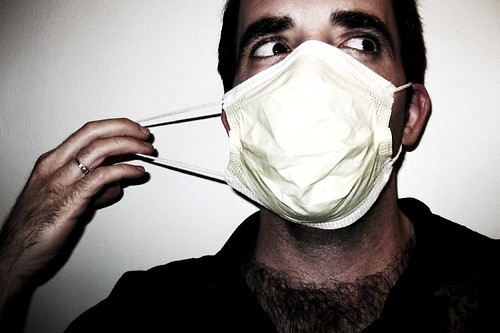
Image via Flickr by roujo
The effects of poor indoor air quality range from short-term ones like eye and respiratory system irritation to long-term effects like neurological disease and cancer. That may sound extreme, but federal scientists rank indoor air pollution as one of the top environmental problems in this country. Mold spores, pet hair and dander, dust, and the accompanying mites are common allergens and major contributors to indoor air pollution.
To make matters worse, many of the household cleaners we’re using to clean our environment actually harm our indoor air quality. Many of these products contain toxic chemicals, like VOCs (volatile organic compounds) which can cause headaches, respiratory issues, eye and throat irritation, affecting those with allergies and asthma especially. Long-term problems like neurological and endocrine disruption aren’t uncommon.
Purification
Enter the air purifier. From reducing asthma and allergy triggers to preventing contamination from toxic substances, air purifiers offer benefits to everyone in your household. They significantly improve the quality of air you breathe using a special type of filtration system that removes more contaminants from the air than your HVAC or traditional filtration systems. There are different types of purifiers designed to meet specific needs from chemical toxins to allergens to odors.
Different Purifiers, Different Benefits
Air purifiers have come a long way since they arrived on the scene. Modern air cleaning technology yields increasingly good results when it comes to improving indoor air quality. There are quite a few different types to choose from, each with unique strengths and specialties. Most commonly known is the HEPA (high efficiency particulate air) filter. These were developed during World War II, and are still the most efficient type of air filter available. They’re made from fiberglass and are most efficient eliminating more than 99 percent of dust, mites, pollen, mold, dander, bacteria, and allergens.
Activated Carbon filters use adsorption technology and specialize in trapping chemical fumes, odors, gases, and smoke. Ionizers and ozone generators are examples of the most evolved air purification technology. Although they aren’t quite as efficient as HEPA or AC filters, they work proactively, meaning unlike the other two, they don’t need fans to operate.
When choosing a purifier, it’s important that you also get one with the capacity to cleanse the size of the room you’ll use it in. A purifier will only sufficiently filter the air in the room where it’s placed, so if getting several isn’t an option, make sure to place the ones you have in rooms your family most frequently occupies. Other factors such as noise, cost, and Association of Home Appliance Manufacturers (AHAM) ratings will also help you to narrow down your options.
Thank you for sharing these helpful tips on choosing an air purifier for a home!