When it comes to looking after our homes, there always seems to be another job that needs doing. Whether it’s decorating a room, sorting out the garden or tackling those little DIY jobs we’ve been putting off, home improvements can quickly become expensive.
One job that often gets overlooked until something goes wrong is the garden fence. Perhaps a panel has been damaged during bad weather, the garden is looking a little tired, or you’ve decided it’s time to give your outdoor space a makeover.
Replacing fencing doesn’t have to mean spending a fortune, though. With a little planning, some research and a bit of savvy shopping, it’s possible to improve your garden without blowing the household budget.
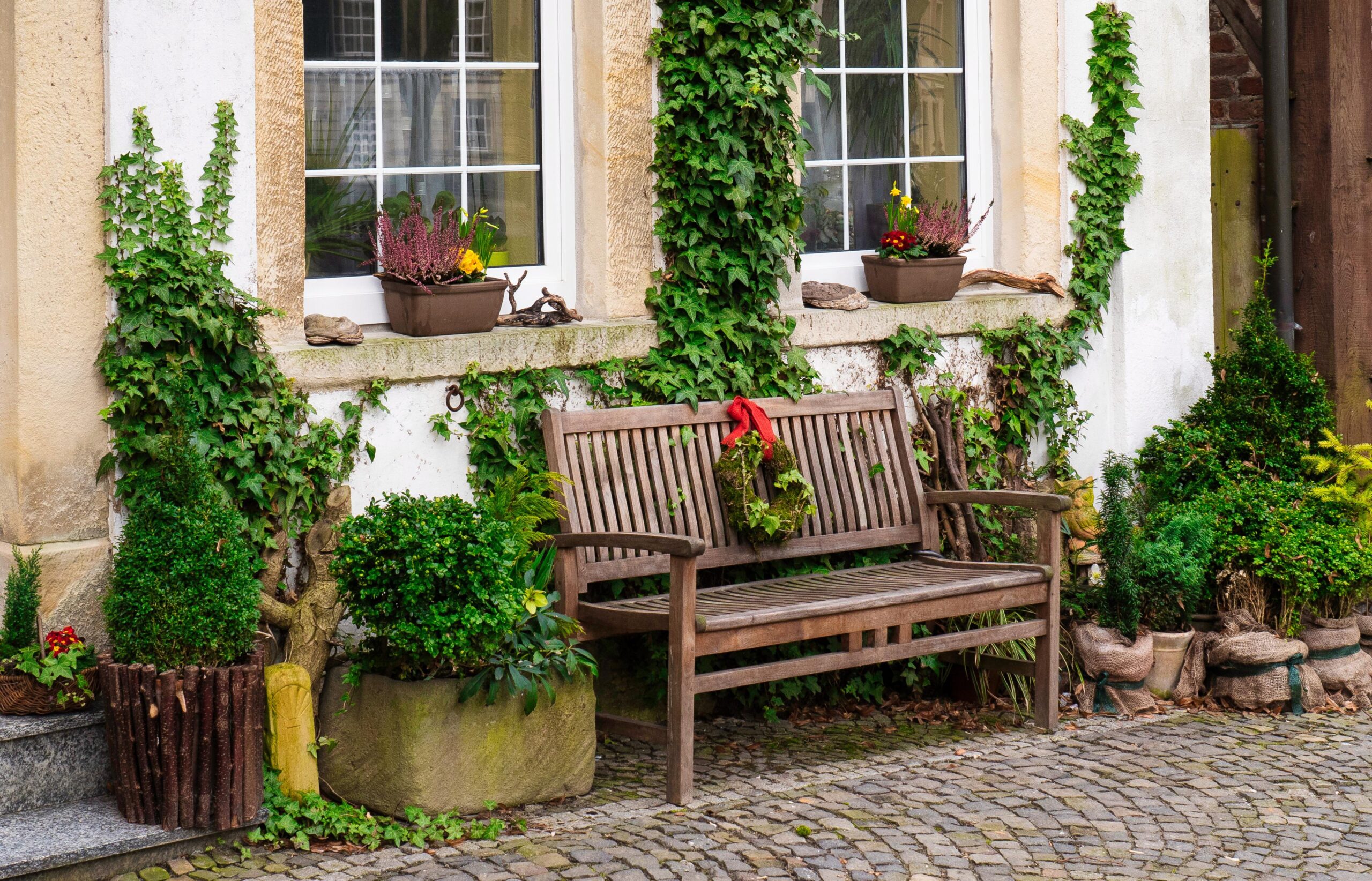
Here are some things to consider before investing in new fencing.
1. Work Out What You Actually Need
Before buying anything, take some time to assess your existing fence.
Does the whole fence need replacing, or are there just one or two damaged panels? Sometimes it’s tempting to replace everything for a fresh, uniform look, but if most of your fencing is still in good condition, replacing individual sections could save you a considerable amount of money.
Measure the areas that need attention and make a note of the number and size of panels required. Remember to consider posts, gravel boards and any additional fixings you might need.
Getting your measurements right from the beginning helps avoid ordering too much material or discovering halfway through a project that you’ve forgotten something important.
2. Compare Your Fence Panel Options
Not all fencing is the same, and choosing the right style can make a difference to both your budget and the overall appearance of your garden.
There are plenty of different fence panels available, from traditional designs to more contemporary options.
If you’re working to a budget, think about what matters most to you. Do you need complete privacy? Is durability your priority? Or are you looking for something that will make your garden feel more modern?
It’s worth comparing different styles and prices rather than automatically choosing the first option you come across. A little research can help you find something that suits your home and your finances.
3. Consider Double Slatted Fence Panels for a Modern Garden
If you’re looking to update the appearance of your outdoor space, decorative fencing is another option worth considering.
double slatted fence panels offer a contemporary alternative to traditional fencing. Their slatted design creates a stylish finish and can help give a garden a more considered, modern appearance.
They can work particularly well in gardens where you’re trying to create a more relaxing outdoor space, perhaps alongside some garden lighting, outdoor seating or a few well-chosen plants.
Although decorative options may cost more than some traditional panels, it’s worth considering the overall look and how long you intend to keep your fencing. Sometimes spending a little more on a style you really like can be a better investment than replacing something you’re not happy with a few years later.
4. Don’t Just Look at the Initial Price
One of the biggest mistakes when budgeting for home improvements is focusing entirely on the purchase price.
When comparing fencing, remember to factor in everything you’ll need to complete the project. This might include:
- Fence panels.
- Fence posts.
- Gravel boards.
- Concrete or post mix.
- Brackets and fixings.
- Delivery costs.
- Installation costs, if you’re using a professional.
These additional expenses can soon add up, so it’s sensible to calculate the full cost before making a decision.
It’s also worth checking whether suppliers offer delivery savings on larger orders. For example, G&G Fencing and Landscape Supplies currently advertises reduced delivery charges on qualifying orders, with discounts depending on how much you spend.
If you’re replacing several panels, checking delivery offers could make a difference to the overall cost.
5. Shop Around for a Specialist Supplier
When buying materials for your home, it’s easy to head straight to a familiar DIY retailer. However, specialist suppliers are also worth exploring.
G&G Fencing offers a range of fencing and landscaping supplies, including different fence panel styles, timber, posts, gates and fencing accessories.
Having the option to browse different products in one place can make planning a project much easier. It also gives you the opportunity to compare styles and work out which materials best suit your requirements.
I’d always recommend comparing the total cost of your shopping basket, including delivery, rather than simply looking at the price of an individual panel.
6. Plan Your Garden Improvements Around Your Budget
If you’re planning a bigger garden makeover, you don’t necessarily have to do everything at once.
Breaking a project into smaller stages can make it much easier to manage financially.
For example, you could prioritise replacing damaged or unstable fencing first, then look at adding decorative features, planting and new garden furniture later.
It’s also worth thinking about the time of year you’re planning your project. Keeping an eye out for seasonal offers and delivery promotions can help you make your money go further.
The important thing is to have a realistic budget and avoid taking on more work than you can comfortably afford.
Final Thoughts: Make Your Home Improvements Go Further
Our gardens are an important part of our homes, particularly during the warmer months when we want somewhere to relax, entertain and spend time with family.
Replacing old fencing can make a surprisingly big difference to how an outdoor space looks and feels. However, like any home improvement, it’s worth doing your research before spending your money.
Measure carefully, compare different styles, look at the complete cost and investigate specialist suppliers before making your purchase.
Being savvy with home improvements isn’t always about choosing the cheapest option. It’s about making informed decisions, finding good value and spending your money where it will make the biggest difference.
A little planning now could save you money in the long run – and leave you with a garden you’ll enjoy for years to come.
Leave a Reply