When you need to start saving money, your first step should be to look at how to stop spending money on unnecessary things. It might sound obvious but you need to fully audit your current spending and start being strategic.
Let’s be honest, we all might want to spend less money. Saving money is one of those things that we know we might want to do, but actually spending unnecessarily is a hard habit to break. The truth is, we live in a society and environment where we can get things quickly and conveniently. You can order things online, have things delivered quickly, and fill a need without giving it another thought.
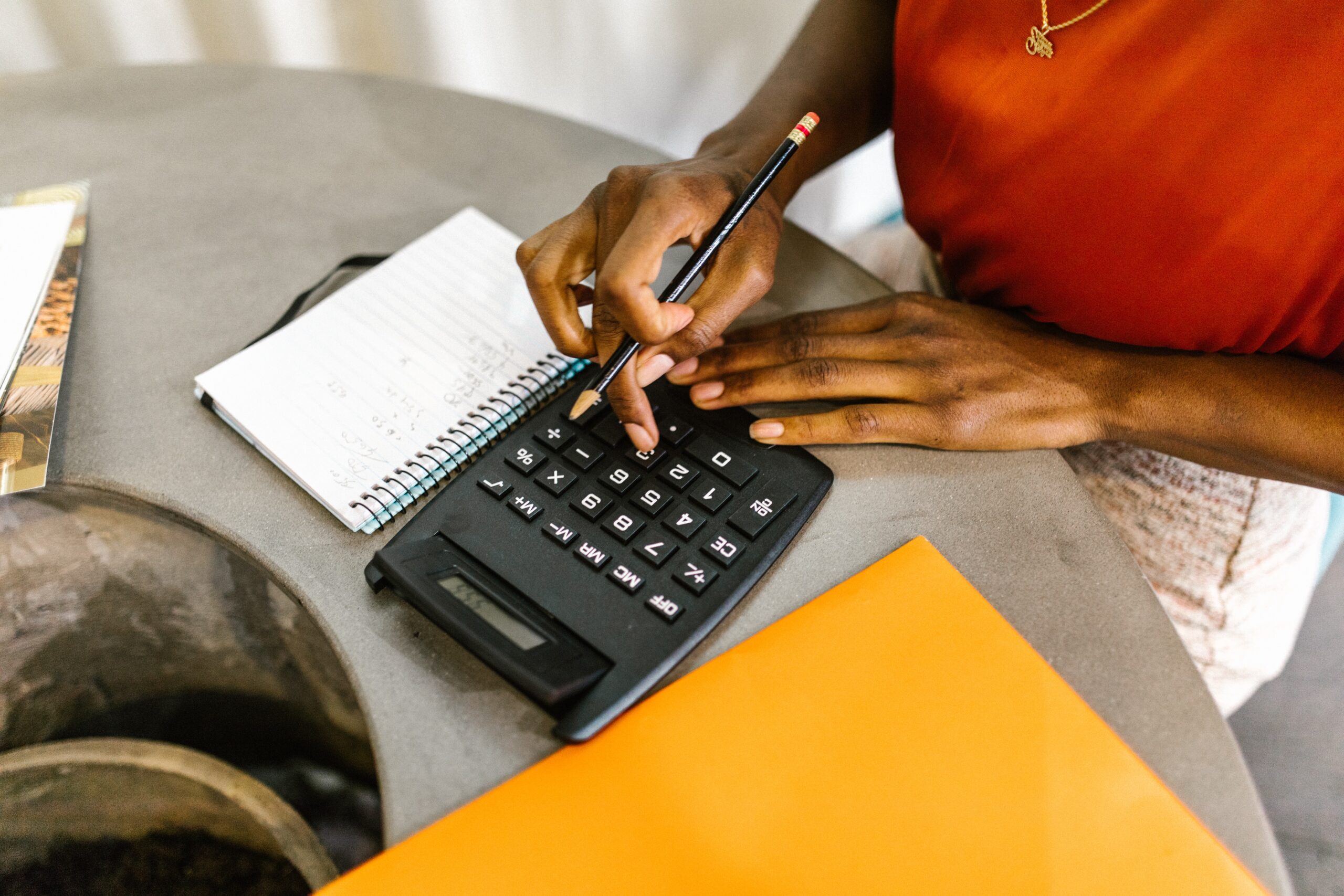
However, this is why spending habits have gotten out of control.
The cost of living is rising at a rapid rate and we are all likely to need some extra money to see us through the next couple of years. The best way to do this is by having clear financial goals. Energy prices are out of control with another 50% increase due in the next few months. Food prices are also rising due to manufacturing and availability therefore grocery shopping is also increasing. There is no easy way to avoid these rises so we need to find a way of managing the increase long term.
Reality check.
If you are conscious of your spending habits there may be a few reasons for this. You might have noticed that your home is becoming cluttered with too many things, perhaps you have credit card debts and are starting to struggle financially with monthly bills. Whatever has caused you to think about it, you might be wondering what you can do to manage your monthly expenses. I have a few tips that can help you consider how to stop spending money on unnecessary things.
How to stop spending money on unnecessary things
If you are looking to save then you need to read this post and then bookmark it and read it again with a piece of paper and a pen. That way you can start to really digest the information and make a plan of action. Saving money takes effort and determination but the important thing to remember is that you can do it.
Start by printing off your bank statements and then with a highlighter go through and mark off all the essential spending, this includes mortgage or rent, essential bills for energy, water bill, council tax, outstanding debt which could include credit card bills and finance for a new car you previously bought.
Add up these monthly payments and deduct that from your monthly income. Whatever is left is your disposable income.
It is this disposable income where you can look for different ways to make savings on how to stop spending money on unnecessary things.
Now look at all the other spending on your bank statements and start considering the changes you can immediately make. Do you need that gym membership – and remember it is ok to say yes I do need that club membership! For many of us, the gym is good for our mental wellbeing and if we can afford it that is fine. But maybe you don’t need a subscription for a beauty box, or you can go without your monthly manicure. Looking at your bank account is the easiest way to start saving. Unless you know exactly what you are spending and where you really can’t save much money.
Have you got any savings goals?
One of the first things you could do is get some motivation. So setting savings goals can help you to understand what it is you are wanting to achieve and can help you to stay on track when you are tempted. Savings goals might be to pay off debts, pay for a holiday, or help you to move home. Whatever the motivation is, write it down so that you can stay accountable.
With the cost of living rising we should all be building an emergency fund to keep ahead of price increases, research suggests that we all aim for three to six months living costs that we can get to in an emergency, you might want to keep this in a separate savings account or pot so that you half forget about it but can get to the money with ease.
Budgeting can help
A great way to get in control of your spending is to start budgeting. You need to think about your main budget for household bills and what you have left as disposable income, but also budget for the smaller areas of your financial life such as having a budget for food shopping, frivolous spending, etc. Having a budget helps you to stay within your means and also adds less pressure.
Some people prefer to use cash for their disposable income, so they can track it better and once it is gone it’s gone. This can certainly help bad money habits with ‘fun money’. When socialising if you only take cash, you can’t overspend and wake up the following feeling guilty that you started ordering drinks or food when you didn’t need to!

Be aware of your current financial situation and pay the bills on time
Before you head out for the day, or head into a new month, make sure all your bills are paid. The more you are organised with this, the more you will be aware of what you have available to spend. This is not just so that you can spend it, but more about being aware of what you have to get you through to the next payday.
It can often be a reality check on how much you actually have. Setting up standing orders and direct debits for bills to go out as near payday as possible is a good move as it helps set a realistic budget for the remainder of the month.
Cash is king
When I was at university I would withdraw my cash for the week rather than paying for things on cards. Using real money was easier to manage and stopped me from spending on unnecessary things.
Think before you spend
Do you think before you spend? Probably not, especially if it is an impulse purchase which we can all be guilty of. Thinking before you spend is a good habit to develop. Picture the scene, you are out shopping and you see a nice dress. You love it, you think it would look great on you, and perhaps you even try it on. But, do you need it?
Instead of just buying it this habit requires you to think about it. Snap a picture of it and walk away. If you can justify the purchase, and you still want it after walking away then you can look to buy it. The habit works because most of the time you either can’t justify the purchase or you can’t be bothered to go back and get it. If it isn’t worth the effort, then it isn’t worth spending.
We need to remember that bricks and mortar shops and online shopping has invested in encouraging us to spend, the lighting, the positioning of products everything is done to draw us in. Many of us crave instant gratification and we get a dopamine hit from unnecessary spending but that hit is often followed by guilt.
If you do want a new outfit for a special occasion look at buying secondhand as there are so many amazing outfits in charity shops or being sold on apps like vinted and depop. This can curb those impulse purchases or at least save money by buying preloved where you can often find a great deal.
Alternatively have clothes swapping party with friends, this can still feel like retail therapy but your future self will appreciate you spending less or nothing!
Shop your kitchen
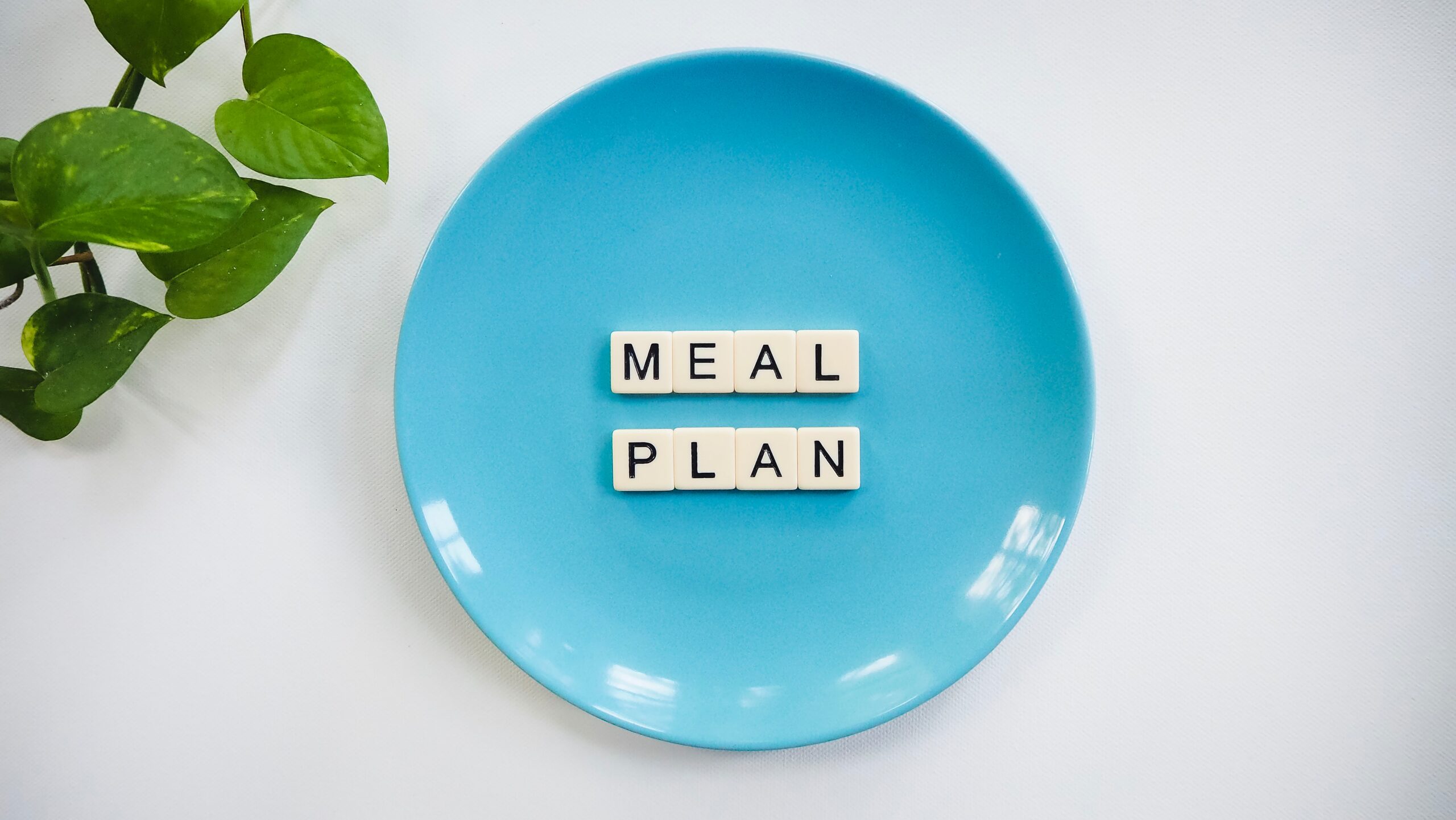
A big issue we can all have with spending is spending too much on food. Not only in the food shop but also with the temptation of taking out food. This is usually a temptation when you can’t be bothered to cook, so instead, try and shop your kitchen instead. Look at what you can whip up in minutes, and even having a meal plan or batch cooking can help you to avoid the temptation.
I have written a brilliant guide on cheap lunch ideas for kids which can help you with a weekly meal plan.
No-spend challenge
Having a self-imposed money ban can help you take control of your money and only focus on your basic needs. This is a challenge and not easy but it can be a game-changer. Even a short term challenge like a no-spend weekend can highlight just how much money is frittered away on even small purchases. I have shared previously how to get free food too!
Other bloggers I know have set themselves a year of no spending on clothes, for example, many of us have too much stuff and this can be a good chance to reevaluate what are wants and needs are.
Be organised
It is always a good idea to be organised where possible. This could mean making your lunches, using a reusable coffee cup, and even preparing your breakfasts in advance. This will stop you from buying things while you are out and help you to save money instead.
Ditching a daily takeaway coffee can really quickly add up and there are so many great reusable cups now that do actually keep your drinks hot for you, our favourite is a Go Cup. Again taking a bottle of water out with you saves buying drinks when you are thirsty, my teenagers love a Chilly’s bottle as they come in so many designs.
Plan ahead
When having a day out or a treat, plan ahead for a better deal. You can save money a decent amount of money by using savings apps or rewards rather than impulse buys. For example using Tesco rewards for a cinema treat saves money. If you are taking a train anywhere buy an advance ticket.
Even day trips often have a cheaper online price than paying on the door. therefore when planning a day out the first thing is to check social media and websites before you get into the car!
Lists
Lists are really important. So if you are buying gifts, doing your food shop, or preparing for an event, have a list of the things you need. It will help you to avoid unnecessarily spending on things you don’t need. A shopping list can be a great tool when food shopping, as it can stop you from buying extra things that you might already have in the cupboard.
Remove temptation
Every day you will be faced with the temptation to spend on something, so get rid of the temptations that you can control. Unsubscribe to catalogues that arrive on the doorstep unsubscribe to emails with notifications of sales and discounts. This will help you to only seek out those offers when you are specifically looking to make a purchase and stop you from spending on unnecessary items in the first place.
Also, be aware of anything offering a free trial, retailers do this to get you signed up and before you know it you have forgotten to cancel or been sucked into a new subscription. These good deals are just clever marketing ploys and creative ways designed to catch your attention and keep you spending in the long run, so next time ignore that invitation to a free trial!

Hide your credit cards
Having a credit card in your purse or wallet can often mean the temptation is there to spend even when you don’t need something, so hide them instead. Keep them at home or put them in a safe place where you won’t be tempted to use them and fall into bad spending habits. If you can live with a credit card then do.
Unfortunately, it is easier than ever to buy now pay later, especially if you use Klarna or PayKlear, we suggest that you never start shopping this way as it quickly can lead to a spending problem.
Embrace pre-loved items
There will always be times when you need to buy things, especially if you have children who constantly seem to grow out of things. So instead of always buying new, you could save a lot of money by embracing pre-loved items instead. You can pick up some great bargains and this can help you to save a fair bit of money.
Calculate the true cost
Finally, it is worth trying to calculate the true cost of something you are tempted to buy. For example, let’s go back to the scene with the dress. Look at how much it is and then in your mind calculate how many hours you would need to work to buy it, how much food shopping you could buy or what bill could be paid with that money.
Often calculating the true cost can get rid of any justification for spending on something you might not need. A lot of people find that this tip alone is life-changing.
Hopefully, these clever tips will help you avoid spending unnecessarily and help you manage your money situation better. If you need to find a way of making extra money then read how these side hustles can help.
EmmaB

Blogger, teacher and more importantly mum to 3. Emma shares money-saving and making tips around the web.
Leave a Reply